Clearing the drop zone
Before any cutting starts, we mark the drop zone and keep ground workers out of it while we're cutting overhead. We also set up a visual or audible communication system, so the person in the tree and the person on the ground always know what's happening at each cut. If you're home during the job, stay outside the marked area.
Checking our gear
Climbing and lift equipment gets inspected before every use. In an aerial lift, fall protection goes on before the lift leaves the ground. Once we're in the tree, a work-positioning lanyard holds us in place so both hands are free for the saw.
Cut sections come down on a rigging rope-and-pulley system instead of being dropped. Ocala's seasonal moisture swings move soil and stress foundations, so lowering heavy wood in a controlled way near the house is the better call.
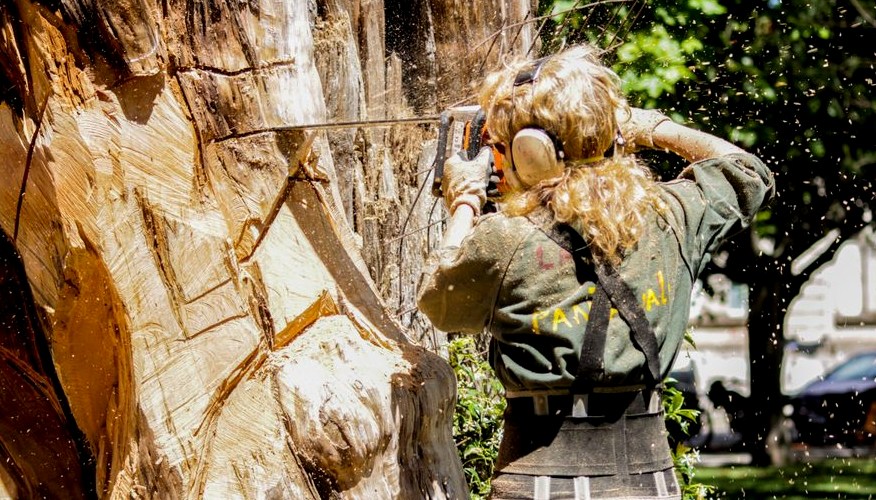
Staying clear of power lines
We keep equipment at least 10 feet from power lines. If we can't hold that distance, we contact the utility before going any further. We plan each cut around the lines before the first limb is touched, and we don't work closer than that clearance allows.
Inside the Job
A visual look at what the service involves.
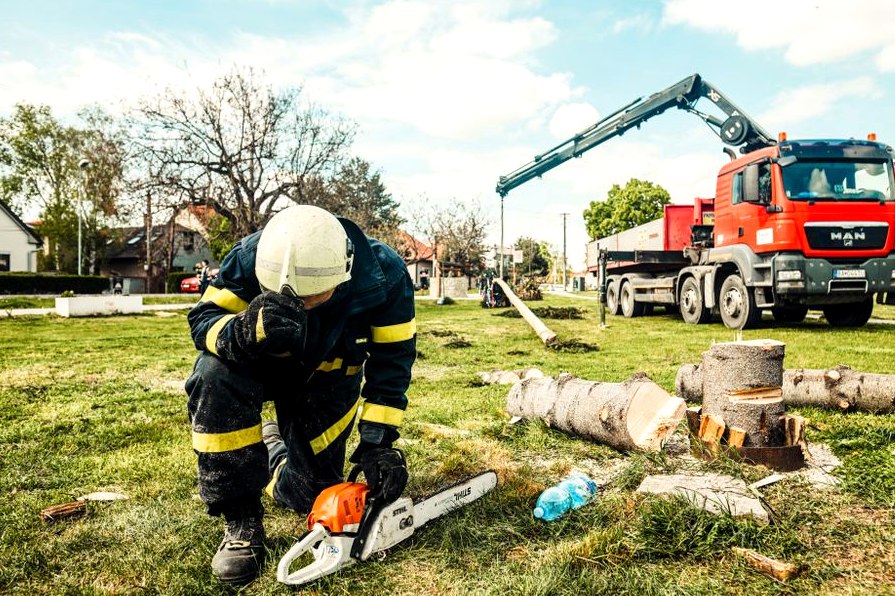


From First Call to Finished Job
-
Reach Out
Tell us what you need done and when, you'll get a straight answer, not a sales pitch.
-
We Walk the Job
We size up the work in person, access, scope, and timing, so the quote is real, not a guess.
-
Written Quote
We put the work, the timeline, and the number on paper, take your time with it.
-
The Job, Done Right
We do the job right the first time, clean up after ourselves, and stand behind the work.
Depending on what we find, that can mean:
- Inspect climbing and lift equipment before use, use fall protection in aerial lifts, and keep equipment at least 10 feet from power lines; contact the utility if that clearance cannot be maintained.
- For a large limb, make an underside cut about one-third through the limb, make a top cut just beyond it, then make the final cut at the branch collar or selected lateral.
Typical Ocala Pricing
These are planning ranges. Nothing is final until it is in writing.
$200–$700
$200–$350
Straight Answers to Common Questions
What is the cheapest time of year for tree removal?
Late fall through winter is generally the most affordable period because demand drops after leaf season. Crews can work more efficiently without foliage and scheduling is easier. Prices may still vary with weather and storm damage, so obtaining multiple estimates remains important regardless of season.
Do I need a permit to cut down a tree on my property?
Permit requirements depend on local ordinances, tree size, species, and whether the property is in a protected area. Many municipalities require permits for trees above a certain diameter or in historic districts. Contact the city planning or forestry department before scheduling work to avoid fines or mandatory replacement rules.
What is the 5-15-90 rule for tree felling?
The 5-15-90 rule is a safety guideline used during directional felling. It refers to maintaining a 5-foot escape path at a 90-degree angle from the planned fall line while keeping bystanders at least 1.5 times the tree height away. Professional crews also survey hazards and establish clear drop zones before cutting begins.
Other Services We Offer
Where We Work
We work across Ocala, FL. Book a Quote to confirm coverage for your address.
The Facts Behind the Number
- Free EstimatesThe first visit and our honest read cost you nothing.
- Considered, not rushedYour situation gets real attention, not a script.
- We walk you through everythingBefore we're done, you understand what happened and why.
- We show up when we sayA scheduled window means someone actually arrives in it.