Remove the branch or shorten it?
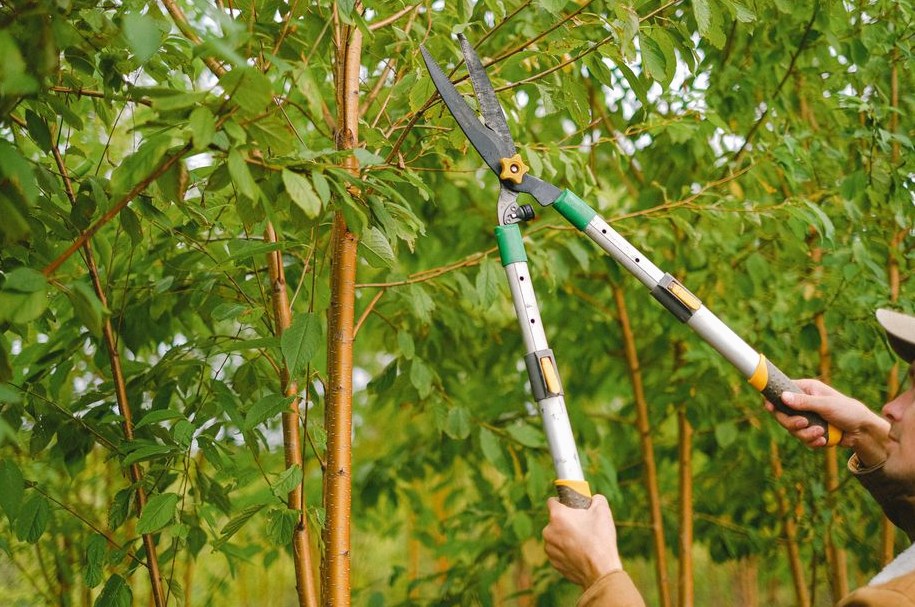
These are different decisions, and they end in different cuts. When we remove a whole branch, the last cut goes just outside the branch collar, where the branch joins the trunk or another branch. When we shorten one, we cut back to a lateral branch instead of picking an arbitrary spot along the limb.
The lateral has to be at least one-third the diameter of the portion we're removing. If that portion is six inches across, the lateral needs to be at least two inches. So the question isn't just how much shorter you want the branch. It's whether there's a lateral in the right place to cut back to.
A large limb takes more than one cut
On a large limb, we start with an underside cut about one-third of the way through. The second cut comes from above, just beyond the first. Once that section is off, we make the final cut at the branch collar or the chosen lateral, depending on whether the branch is coming off or being reduced.
For a whole-branch removal, that final cut goes just outside the collar, not flush with the trunk. A branch that looks shorter doesn't tell you the job was done right. Where the last cut landed does.
Storm damage and cold snaps
A damaged limb gives us a specific reason to get on the job, instead of just picking a date for routine work. Marion County's thunderstorm season runs from summer into fall and brings frequent lightning, and freezes happen here too. So we look for storm-damaged limbs and cold-damaged branches when deciding what needs to come off.
Ocala's long, hot, humid summers don't give us one best trimming month for every tree. The reason for the work and the condition of the branch decide the timing.
If your property sits in a low spot or near water, tell us when you call. Flash flooding is a real concern in those areas, even though large-scale flooding is unlikely across the county as a whole.
Questions about scope and price
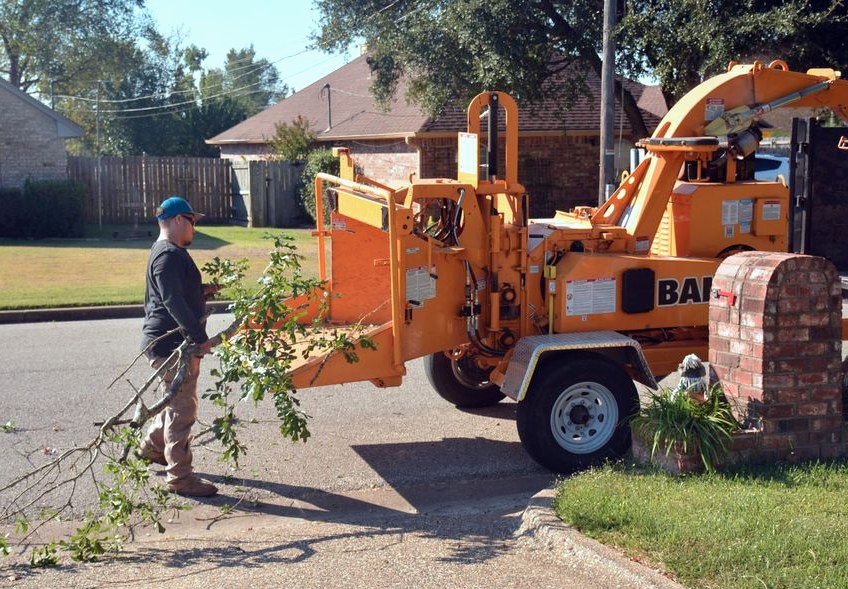
Does trimming include grinding a stump? No, those are separate jobs. Branch work follows the cuts described above. The wood chipper handles the cut material, and the stump grinder is the tool for a stump.
How much will it cost? A dollar figure only means something once the scope is defined: which branches come off, which get reduced, and whether stump work is part of it. A general price for tree work won't tell you what these particular cuts cost.
If you've noticed damage after a thunderstorm or a freeze, say so when you call. It gives us a concrete place to start, and it doesn't mean the whole tree has to come down.
Inside the Job
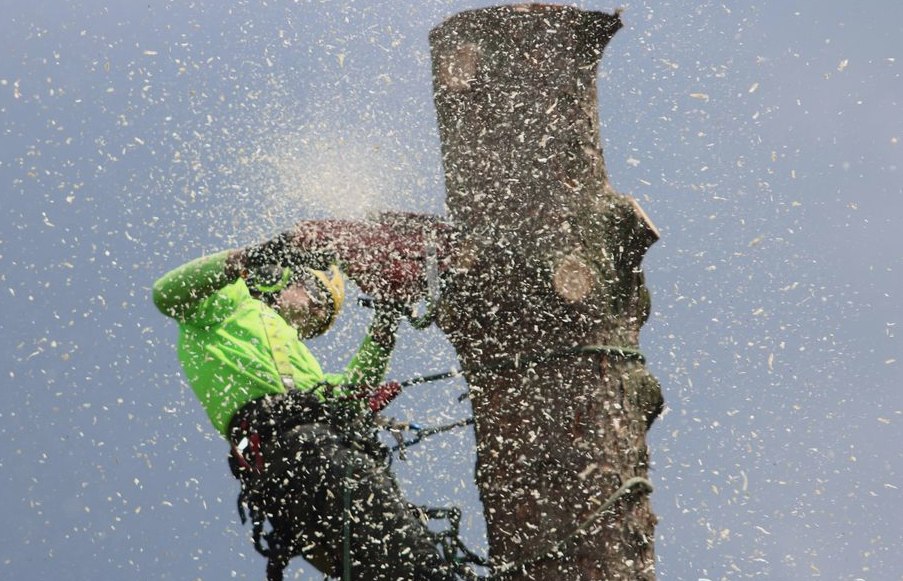
A visual look at what the service involves.

From First Call to Finished Job
-
Reach Out
Tell us what you need done and when, you'll get a straight answer, not a sales pitch.
-
We Walk the Job
We size up the work in person, access, scope, and timing, so the quote is real, not a guess.
-
Written Quote
We put the work, the timeline, and the number on paper, take your time with it.
-
The Job, Done Right
We do the job right the first time, clean up after ourselves, and stand behind the work.
Depending on what we find, that can mean:
- Survey the worksite and tree for structural hazards, nearby objects, weather risks, and conditions that could affect climbing or rigging.
- Decide whether workers will climb or use an aerial lift, and assess whether the tree can safely support rigging forces.
Typical Ocala Pricing
These are planning ranges. Nothing is final until it is in writing.
$75–$250
$200–$800
Straight Answers to Common Questions
What is the cheapest time of year for tree removal?
Late fall through winter is generally the most affordable period because demand drops after leaf season. Crews can work more efficiently without foliage and scheduling is easier. Prices may still vary with weather and storm damage, so obtaining multiple estimates remains important regardless of season.
Do you tip a tree service crew?
Tipping is optional but appreciated for crews that complete difficult or hazardous work safely and cleanly. A common range is $20–$50 per worker or 10–15% of the total job when service exceeds expectations. Cash or gift cards given directly to the crew is standard practice.
How to pick a tree removal service?
Verify insurance, certifications, and references before hiring. Request written estimates that detail equipment, cleanup, and stump handling. Ask how the crew will protect property and power lines, and confirm they follow safety steps such as inspecting equipment and establishing clear drop zones.
What is the average price to have a tree taken down?
Tree removal typically ranges from $400 to $1,200 depending on height, location, and complexity. Larger trees or those near structures require more equipment and labor, increasing the cost. Stump grinding adds $120 to $400 for the first stump. Homeowners should request on-site assessments for accurate quotes since every property presents unique access and safety considerations.
How much does it cost to cut down a 40 ft tree?
A 40-foot tree usually falls in the $400 to $1,200 removal range. Factors such as trunk diameter, lean, nearby obstacles, and whether climbing or an aerial lift is needed affect the final price. Stump grinding is often quoted separately at $120–$400. An on-site evaluation is required to determine the exact cost.
Can seniors get trees removed for free?
Most tree removal programs for seniors are limited and depend on local nonprofit or utility assistance rather than standard service providers. Availability varies widely and often requires income or health qualifications. Homeowners should contact area agencies on aging or municipal forestry departments to learn about current eligibility and application processes.
Other Services We Offer
Where We Work
We work across Ocala, FL. Book a Quote to confirm coverage for your address.
The Facts Behind the Number
- Free EstimatesThe first visit and our honest read cost you nothing.
- The same crew every visitOne team that gets to know your property.
- You approve the work before we startNothing happens until you've okayed the plan and the price.
- No surprise add-onsThe price holds, anything extra gets your say-so first.